Polished Concrete: The Modern Makeover for Commercial Spaces

Introduction 

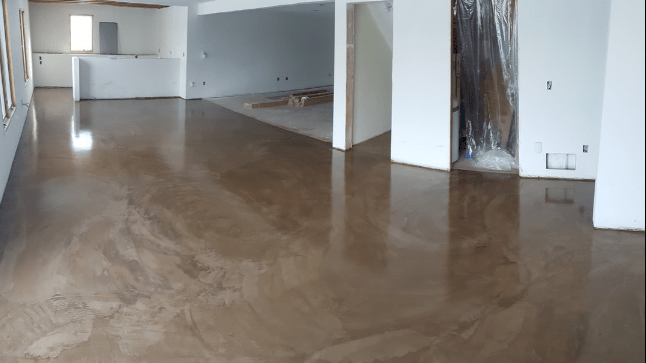
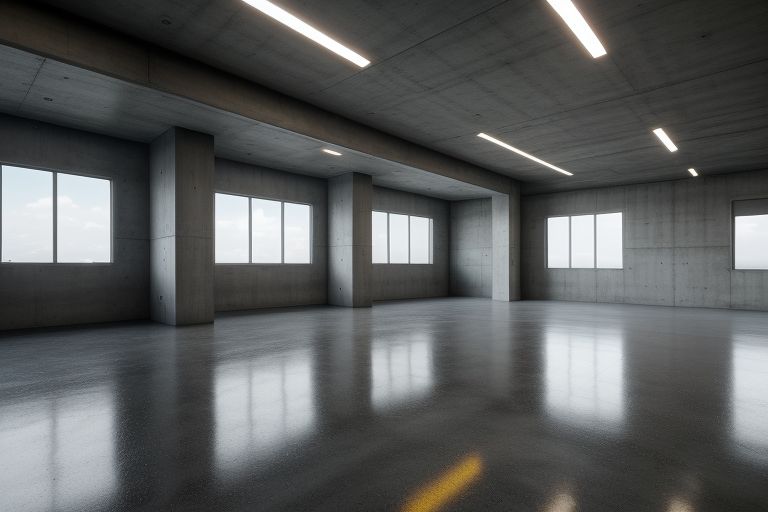
In the field of commercial design, one trend stands out more than ever: polished concrete flooring. Concrete is no longer only something to walk on in warehouses.  

Today, it is making a strong statement in office buildings, retail areas, and even premium eateries.  

Let’s take a deeper look at how polished concrete floors are making business spaces more sleek, modern, and useful.  

What Makes Polished Concrete Floors Stand Out?  

Concrete flooring has come a long way from its utilitarian origins. With developments in polishing processes and finishing options, concrete floors today provide a plethora of advantages that appeal to designers, architects, and company owners alike.  

One of the main advantages of polished concrete is its visual appeal. The smooth, shiny surface provides a touch of modern elegance to any room, instantly improving its visual appeal. 

Whether it’s a minimalist workplace or a modern retail business, polished concrete floors make an excellent canvas for any design plan.  

Long-term durability  

When it comes to business settings, durability is key. Polished concrete floors are known for their outstanding resilience and durability.  

Unlike traditional flooring materials such as wood or carpet, concrete can handle high foot traffic, spills, and daily wear and tear without losing its sheen.  

This endurance translates into long-term cost advantages for businesses, since polished concrete floors require less upkeep than other flooring alternatives.  

Concrete floors can maintain their brilliant appearance for years with regular cleaning and resealing, making them an excellent investment for any business facility.  

Environmental Advantages of Concrete Flooring.  

In today’s environmentally concerned society, many firms place a high focus on sustainability. Concrete flooring has various environmental advantages, making it a green option for commercial settings.  

For starters, concrete is a readily available and locally supplied material, lowering the carbon footprint associated with transportation.  

Furthermore, polished concrete floors can enhance indoor air quality by removing the need for harsh chemical cleaners and lowering allergens such as dust and mold.  

Design Flexibility and Customisation Options  

One of the most appealing features of polished concrete flooring is its adaptability. From bespoke colors and ornamental aggregates to complicated patterns and logos, the creative options are nearly limitless.  

This level of personalization enables organizations to build distinctive and memorable surroundings that represent their brand’s identity and vision.  

Whether you want a simple look or a big statement piece, polished concrete floors may be customized to fit any style or theme.  

Concrete flooring is a cost-effective solution to create high-end design without breaking the budget since it can simulate the appearance of other materials such as marble or terrazzo.  

Health and Safety Benefits 

In addition to their visual appeal and durability, polished concrete floors provide significant health and safety benefits in business environments.  

Compared to carpeted or uneven flooring surfaces, polished concrete is simple to clean and maintain, preventing the collection of dust, allergies, and potentially hazardous microorganisms.  

This improves indoor air quality and creates a healthier atmosphere for both employees and consumers.  

Furthermore, the smooth, level surface of polished concrete reduces tripping dangers and allows for easy travel, particularly in high-traffic areas.  

This can greatly minimize the likelihood of workplace accidents and injuries, hence improving overall safety compliance and employee well-being. 

Businesses that prioritize health and safety issues may take use of the inherent benefits of polished concrete floors to create not just visually appealing but also safer and more sanitary work spaces.  

Conclusion  

In conclusion, polished concrete floors are changing the way we think about business environments. Concrete flooring, with their elegant look, durability, sustainability, and design flexibility, provide a winning blend of beauty and substance. When revamping an office, retail business, or restaurant, consider the transformational potential of polished concrete flooring to create a place that is both useful and attractive. 

Elevating Elegance: The Role of Decorative Concrete in Modern Architecture

Introduction 

In the ever-evolving landscape of architecture, one material has quietly but dramatically shaped the way we perceive and experience modern structures: decorative concrete.  

Gone are the days when concrete was merely a utilitarian substance; today, it stands as a testament to the marriage of functionality and aesthetic appeal in contemporary design.  

Concrete’s Renaissance: From Brutalism to Elegance  

Once associated primarily with the stark forms of Brutalist architecture, concrete has undergone a renaissance. Decorative concrete, in particular, has emerged as a versatile medium, offering architects a canvas for creative expression.  

Its transformation from a raw construction material to a design element has been a key driver in the evolution of modern architecture.  

Unleashing Imagination with Form and Texture  

One of the defining features of decorative concrete lies in its ability to adopt various forms and textures. Architects now use it to create surfaces that mimic the warmth of wood, the elegance of marble, or the ruggedness of natural stone.  

This adaptability allows for a harmonious integration of structures into their surrounding environments, providing a sense of continuity and connection.  

A Palette of Possibilities: Colors in Concrete  

Gone are the days of gray monotony. Decorative concrete has introduced a vibrant palette of colors to the architect’s toolbox. From subtle earth tones to bold hues, concrete allows for a spectrum of choices.  

This not only enhances the visual appeal of a structure but also enables architects to evoke specific emotions and moods in their designs.  

Seamless Integration of Indoor and Outdoor Spaces  

Modern architecture places a premium on blurring the lines between indoor and outdoor spaces. Decorative concrete plays a pivotal role in achieving this seamless integration.  

Patios, walkways, and even interior flooring can now be crafted with a uniform material, creating a visual flow that connects different areas of a building or residence.  

Sustainable Statements: Eco-Friendly Concrete Practices  

As sustainability takes center stage in architectural discourse, decorative concrete has proven itself as an eco-friendly option.  

The material’s durability and longevity contribute to a reduced environmental impact, making it an attractive choice for architects committed to green design practices.  

In Conclusion: Concrete as a Design Element  

Decorative concrete is more than simply a building material in today’s architecture; it is a design element that gives character, depth, and personality to structures. Its ability to combine beauty and utility has made it a must-have item in the architect’s toolbox. As we continue to push the boundaries of design, decorative concrete stands as a testament to the endless possibilities that emerge when creativity meets craftsmanship. Whether in sleek urban structures or cozy residential retreats, concrete’s role in shaping modern architecture is one of enduring elegance. 

Maintaining Microtopping Floors: Do’s and Don’ts

Microtopping floors demand special care and attention to preserve their long-term attractiveness. Microtopping is a thin overlay technology that is put to existing concrete floors to give them a new, modern appearance. Follow these dos and don’ts to maintain the aesthetic and operation of your microtopping floors:

Dos:

Sweep or vacuum the floor on a regular basis to eliminate dirt, dust, and debris. To avoid scratching the surface, use a soft-bristled broom or a vacuum cleaner with a soft brush attachment. Clean the floor gently with a damp mop and a neutral pH cleaner or a gentle soap. Harsh chemicals, acidic or alkaline cleaners should be avoided as they can damage the microtopping surface.

Spill Cleanup: Wipe up spills right away to avoid stains and damage to the microtopping. To clean up spills, use a soft cloth or sponge and a moderate cleaning solution. Mats and rugs should be placed in high-traffic areas and at entryways to reduce wear on the microtopping surface. To avoid scratching, make sure the mats have non-abrasive backings.

Furniture Protection: When moving or rearranging furniture, place felt pads or protective coasters under the legs to prevent scratches and scuffs.

Usage Doormats: Encourage the usage of doormats at entry points to reduce the quantity of dirt and grit brought in from outside.

Regular Sealing: Apply an appropriate sealer on a regular basis, according to the manufacturer’s instructions, to preserve the microtopping against stains, wear, and UV damage.

Don’ts:

Avoid strong Chemicals: Never clean the microtopping floor with strong chemicals, abrasive cleansers, or acidic solutions, as they can erode the surface and harm its beauty. Avoid using wire brushes or scouring pads on the microtopping surface since they can cause scratches and abrasions.

Avoid Walking on Microtopping Floors in High Heels: Avoid walking on microtopping floors in high heels or shoes with sharp and abrasive bottoms, as they might leave marks and scratches.

Dragging Heavy Objects: Avoid dragging heavy furniture or objects across the microtopping floor, since this might cause surface damage.

Don’t Let Dirt Build Up: Clean the floor on a regular basis to prevent the collection of dirt and debris, which can grind into the surface and detract from its attractiveness.

Avoid Excessive Water: During cleaning, do not flood the microtopping floor with water, as this can harm the surface and cause delamination.

Avoid Do-It-Yourself Repairs: If you discover any damage or problems with the micro topping floor, contact a professional for repairs and maintenance rather than attempting to repair it yourself.

You may keep the beauty and functionality of your micro topping floors for many years by following these dos and don’ts. Regular maintenance and care will help to preserve the appearance and extend the life of your flooring investment.

Choosing the Right Terrazzo Mix for Your Countertop

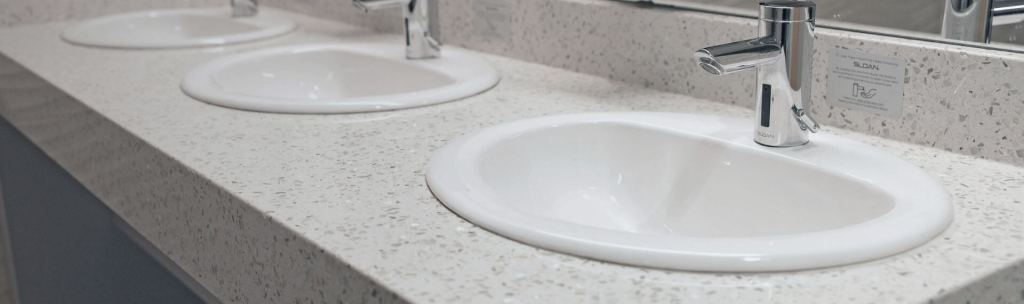
Terrazzo countertops have gained popularity due to their durability, aesthetic appeal, and versatility. However, selecting the right terrazzo mix for your countertop can be a challenging task. The choice of materials and proportions significantly impacts the final appearance and performance of the countertop. In this article, we will explore some valuable tips and considerations to help you make an informed decision when choosing the perfect terrazzo mix for your countertop project.

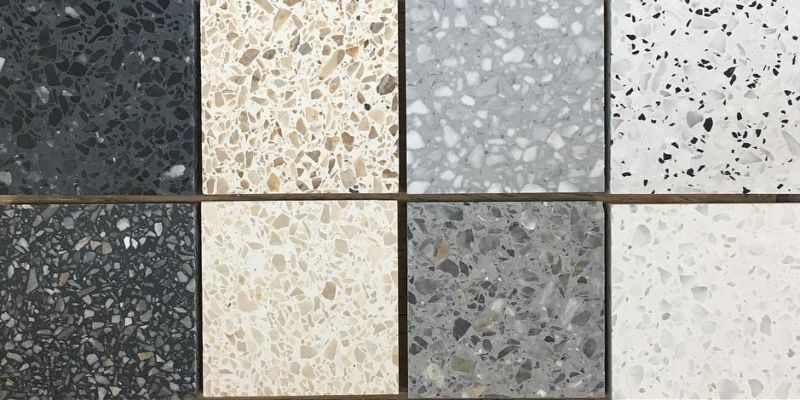
  1. Understand Terrazzo Composition – Terrazzo is a composite material that consists of chips of various natural stones, such as marble, granite, or quartz, embedded in a binder material like epoxy or cement. The choice of stone chips and binder greatly influences the final look and characteristics of the terrazzo. Marble chips provide a classic, elegant look, while granite chips offer a more contemporary and bold appearance. Quartz chips, on the other hand, provide a wide range of color options.
  2. Consider Aesthetic Preferences – The aesthetics of your countertop are crucial in creating a visually pleasing space. When selecting a terrazzo mix, consider the overall style and color scheme of your kitchen or bathroom. Terrazzo allows for endless customization possibilities, ranging from a monochromatic palette to vibrant and intricate designs. Take into account the size, color, and shape of the stone chips to achieve the desired aesthetic outcome.
  3. Assess Durability and Maintenance – Terrazzo countertops are known for their durability and resistance to wear and tear. However, the durability of the countertop relies heavily on the quality of the mix. Epoxy-based terrazzo tends to be more resistant to stains, chemicals, and scratches, making it suitable for high-traffic areas. Cement-based terrazzo, although less stain-resistant, offers excellent heat resistance, making it ideal for kitchen countertops. Consider the specific requirements of your space and lifestyle when choosing between epoxy and cement binders.
  4. Evaluate Cost and Budget – Terrazzo countertops can vary significantly in cost depending on the materials used. Marble chips are generally more expensive than granite or quartz, and epoxy binders tend to be pricier than cement. Set a realistic budget and explore options that align with your financial constraints. Consider using larger stone chips or incorporating other aggregates to reduce costs while still achieving an appealing design.
  5. Seek Professional Advice – Consulting with a professional terrazzo contractor or designer is highly recommended before finalizing your terrazzo mix. They possess the expertise and experience to guide you through the selection process, considering factors such as your desired style, budget, and maintenance requirements. They can also provide samples and visualizations to help you visualize the final result.
  6. Test and Experiment – Before committing to a specific terrazzo mix, it’s essential to test it on a small sample. This will give you a better understanding of how the mix behaves, its color variations, and whether it meets your expectations. Experiment with different combinations of stone chips, binders, and colors to achieve a truly unique and personalized terrazzo mix.

Choosing the right terrazzo mix for your countertop involves careful consideration of various factors, including composition, aesthetics, durability, cost, and professional advice. By understanding these considerations and conducting tests, you can ensure that your terrazzo countertop not only meets your design vision but also provides long-lasting performance. Whether you opt for a traditional or contemporary style, a well-chosen terrazzo mix will enhance the beauty and functionality of your kitchen or bathroom for years to come.

8 Terrazzo Tile Designs You Can Use

Terrazzo tile has been around since the 15th century, but it has recently made a comeback in home décor. This type of tile is made by mixing chips of marble, granite, or other materials with cement, creating a unique and colorful pattern. Terrazzo tile is durable, low-maintenance, and has a timeless look that can complement a variety of interior design styles. If you’re considering incorporating terrazzo tile into your home, here are eight design ideas to inspire you.

  1. Classic White Terrazzo Tile: If you’re looking for a timeless and versatile terrazzo tile design, you can’t go wrong with classic white. White terrazzo tiles can brighten up any space and make it feel clean and modern. They work well in bathrooms, kitchens, and living areas, and can be paired with any color scheme or décor style.
  2. Bold Colored Terrazzo Tile: If you want to make a statement with your terrazzo tile, consider choosing a bold color. Bold colored terrazzo tiles can add a pop of color to any space and make it feel fun and lively. You could go for a bright yellow or pink, or choose a more muted color like navy blue or forest green.
  3. Patterned Terrazzo Tile: Terrazzo tile doesn’t have to be limited to a single color or pattern. You can create a unique and eye-catching look by choosing a terrazzo tile with a pattern. This could be a floral design, geometric shapes, or even a mosaic. Patterned terrazzo tiles work well as a statement piece in any room.
  4. Terrazzo Tile Backsplash: A terrazzo tile backsplash is a great way to add a touch of color and pattern to your kitchen or bathroom. You can choose a terrazzo tile that complements your existing countertops or cabinetry, or you can choose a contrasting color or pattern to make a bold statement.
  5. Terrazzo Tile Accent Wall: If you’re looking to add some texture and interest to a room, consider creating a terrazzo tile accent wall. This could be a full wall or just a section, depending on the size of the room and the look you’re going for. A terrazzo tile accent wall can add a touch of elegance and sophistication to any space.
  6. Terrazzo Tile Floor: Terrazzo tile makes a great flooring option because it is durable and low-maintenance. You can choose a single color or pattern for your entire floor, or mix and match different colors and patterns to create a unique look. Terrazzo flooring works well in high-traffic areas like entryways and kitchens.
  7. Terrazzo Tile Shower: A terrazzo tile shower can add a touch of luxury to any bathroom. You can choose a single color or pattern for your entire shower, or mix and match different colors and patterns to create a unique look. Terrazzo tile is also waterproof, making it a practical choice for a shower.
  8. Terrazzo Tile Fireplace Surround: if you have a fireplace in your home, consider creating a terrazzo tile surround. This can add a touch of texture and interest to your living room, while also creating a focal point around your fireplace. You can choose a single color or pattern for your surround, or mix and match different colors and patterns to create a unique look.

Terrazzo tile is a versatile and durable material that can be used in a variety of ways in your home. Whether you’re looking for a classic white tile or a bold patterned design, terrazzo tile can add a touch of elegance and sophistication to any space. So, get inspired by these ideas and start incorporating terrazzo tile into your home décor today!

Why Is Micro-cement Flooring Better?

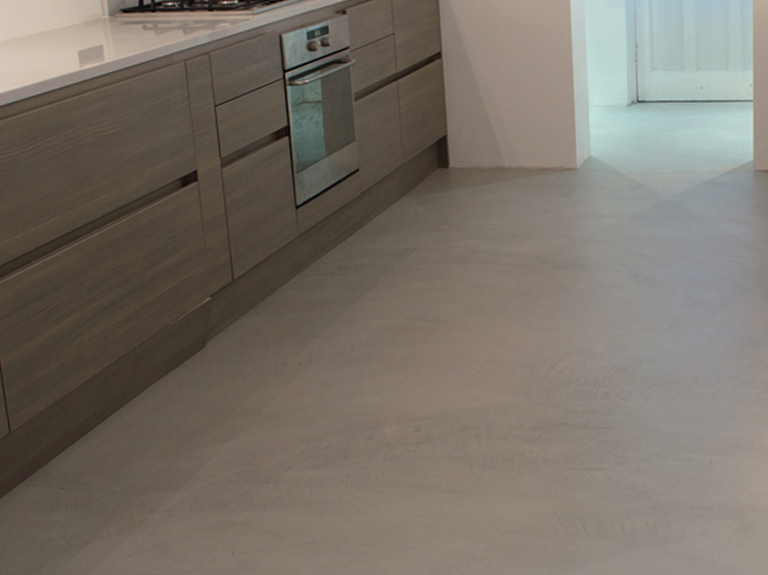
Micro-cement is a great thing to use for building. Cement and resins are used to make it. Micro-cement, also known as micro-topping, micro-concrete, or micro-screed, is a polymer-based coating and cement that is applied sparingly to walls, floors, and sometimes joinery in homes and businesses to make them look more solid.

Also, builders, architects, homeowners, interior designers, and property managers can easily make a concrete style with micro-cement.

Why is micro-cement better than other floors? Read on to learn more about this.

Benefits of micro-cement floors

Micro-cement sticks really well. Because of this, it is often put on different kinds of surfaces, like wood, tiles, and even already-existing concrete deck surfaces. Here are some of the reasons why people prefer Micro-cement flooring.

  • The best stuff for tools

Micro-cement is the best material for making delivering tools, especially for people who love design and are designers. With its one-of-a-kind finish, it can change almost any surface. The real finishing is just incredible. This, on the other hand, depends entirely on the artistic skills of the technician who applies it.

  • It can be used in many ways

This deck material can be used in many ways. This makes it less likely to break in any case, especially when put on layers of flexible mortar. If you want to use this for floors, you’ll have a strong and long-lasting ground surface. Also, using micro-cement flooring is a good idea because you won’t have any problems if you ever want to remodel. The same thing happens when you redecorate your living area.

  • Cost-effectiveness

Micro-cement flooring is a good way to make money. The material can be used to make a solid finish on almost any surface for a fraction of the cost and weight of real cement. Sometimes, it is a lot cheaper than putting down tiles. Yes, it’s really cheap.

  • Looks like it fits together well

Micro-cement flooring gives a room a strong and uniform look. Because there are no joints, spaces have a certain fluidity that doesn’t change.

The floor is a finished piece of art, like a canvas.

  • It’s a do-it-yourself project

You can handle it on your own. This is the right method to try if you want a way to floor your home that you can also do yourself. And if you like to make things, this material is great to work with.

For Micro-cement flooring, you don’t need any special skills or tools. Some companies sell ready-to-use products with instructions on how to use them.

But if you have a bigger surface area, it’s best to hire a professional to do this for you. Because this material hardens more quickly, it will take at least two people to set up a cluster and its application.

  • There are different colors and designs

This is another good thing about the micro-cement floor. Before it’s put in, you can choose from different finished designs and color tones that you like.

In this way, you won’t be disappointed by the unexpected design that sometimes happens when polished concrete is installed. A good company that makes this stuff will make it taste just the way you want it to and work well in the real world.

In conclusion, it is unusual to use micro-cement for your flooring. Besides being long-lasting and flexible, it’s also a good deal. Last, you can hire people who know how to do micro-cement to do the job.

5 Benefits Of Using Polished Plaster In Your Home

Polished plaster is a type of decorative finish that is applied to walls and other surfaces to create a smooth, glossy finish. It is made from a mixture of plaster, marble dust, and pigments, and is applied in thin layers to create a smooth and even finish. Once applied, the plaster is polished to a high shine, creating a luxurious and elegant look. Polished plaster can be used in a variety of settings, including residential, commercial, and public buildings. It is often used as an alternative to traditional plaster or paint, and can be applied to both new and existing surfaces. In addition to its decorative properties, polished plaster is also resistant to stains, scratches, and wear, making it a durable and long-lasting finish option.

  1. Durability: Polished plaster is known for its durability and long-lasting nature. It can withstand high levels of foot traffic and is resistant to scratches and chips. This makes it an excellent choice for high-traffic areas like entryways and hallways.
  1. Easy to maintain: Polished plaster is easy to clean and maintain. It does not require frequent sealing or waxing, and it can be simply wiped down with a damp cloth. This makes it an excellent choice for busy households.
  2. Versatility: Polished plaster can be used in a variety of settings, from traditional to modern, and it can be customized to suit your specific design preferences. Whether you want a sleek and modern look or a more traditional and classic finish, polished plaster can be tailored to your needs.
  3. Aesthetic appeal: Polished plaster adds a level of sophistication and elegance to any space. It has a glossy finish that reflects light, creating a beautiful and sophisticated look. Plus, it can be tinted to a wide range of colors, so you can choose the perfect hue to match your décor.
  1. Energy-efficient: Polished plaster is an energy-efficient choice for your home. It has insulating properties that can help reduce energy costs by keeping your home warm in the winter and cool in the summer. Over time, this can result in significant energy savings.

Overall, polished plaster is a versatile and durable wall finish that can add a touch of sophistication and elegance to any home. With a wide range of colours, textures, and finishes available, you can easily customize your plaster to fit your personal style and create a look that is truly unique. Plus, its easy maintenance and energy-saving properties make it a smart choice for busy homeowners and environmentally conscious individuals alike.

The Beauty of Terrazzo Flooring

Terrazzo flooring

Even if you’ve never heard the word “Terrazzo,” you’ve probably walked on a terrazzo floor at some point. Terrazzo floors are beautiful, elegant, and very durable. They have been used in hotels, schools, and office buildings all over Dubai and the rest of UAE for the last 100 years. In this post, we’ll explain everything you need to know about Terrazzo floors.

What is flooring made of Terrazzo?

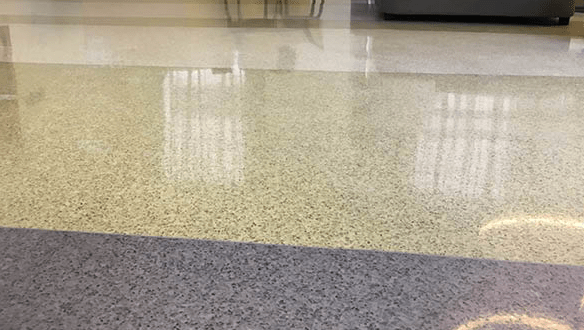
Terrazzo flooring is made of small pieces of marble, granite, quartz, glass, and other materials that are glued together with epoxy or cement to make a composite. The material is then hardened and ground smooth before being polished to a high gloss. Terrazzo can look very different depending on the color and type of aggregates that are used. Terrazzo flooring is a very versatile material that can be used in a wide range of ways, from simple, one-color designs to elaborate patterns and mosaics with bright colors. Terrazzo flooring is made up of three layers: a concrete base, a layer of sanded concrete, and a marble chip mix layer on top.

The History of Terrazzo Flooring

Terrazzo was created in the 15th century when Italian craftsmen swept the leftover marble from high-end projects out onto the terrace (terrazzi). As they walked on it, the surface became smooth. When they started setting the marble chips with clay and goat’s milk and then polishing the floors with heavy stones, this process turned into an early version of terrazzo. This terrazzo flooring method started to catch on, and as we’ve already said, by the early 1500s, architects like Michelangelo were using it in their work. Terrazzo was a very popular commercial floor material in the 20th century because it was both beautiful and strong. During the 1950s, Richard Neutra and other modernist architects liked to use terrazzo floors. As the cost of materials went up, terrazzo was used less and less. However, it is now a relatively inexpensive high-end floor covering that is definitely a good flooring investment.

How Terrazzo Flooring Looks

Terrazzo flooring is a dream for interior designers who want to use their creativity to the fullest. Because there are so many different kinds of materials that can be used as the “aggregate” in terrazzo, it can be used in so many different ways. Terrazzo flooring works well with both plain white terrazzo and terrazzo with intricate patterns that sparkle. Terrazzo gives you a wide range of design options, whether your home or business is industrial and utilitarian or has a lot of traditional elements. The way the shiny chips on the polished surface stand out will add a touch of elegance to any room. You can stick with the classic look of solid marble chips, or you can get creative with things like sea glass and natural stone.

Smartcrete Decorative Solution is a leading company for terrazzo flooring in Dubai, UAE. Smartcrete Decorative Solution make sure to serve our customers with guaranteed reliability, value and professionalism.

Stained Concrete – Pros and Cons

Stained Concrete

The pros and cons of stained concrete depend a lot on how you want to use it. The pros and cons of stained concrete also depend on the type of stain. In this article, we’ll talk about some of these.

Water-Based Stains: Pros and Cons

Concrete patio designs look great when they are colored with stains made from water. They are also often used in all kinds of concrete, both outside and inside. The color in water-based stains is carried by the water. The pigments get stuck in the concrete’s tiny holes. This makes a color that is easy to put on concrete and is see-through.

Stains that use water are easy to use. Imagine them as watercolours for cement. This is the best thing about stains that are made with water. Another great benefit is that it is easy to change. Because water-based stains are so easy to use, they can be used in a lot of different ways. Use a brush or sponge to apply them to specific areas of stamped concrete to highlight individual stones or bricks. To make mottling or marbling effects, use a small sprayer. You can even mix water-based stains together to make your own colours.

There are some bad things about water-based stains. Most obviously, these stains are see-through. They won’t change the colour of a concrete surface all the way. The colour or flaws of the concrete will show through. Water-based concrete stains also need to be sealed so they don’t fade or wash away. Even with these problems, water-based stains make great colours for stamped concrete, patios, sidewalks, and other surfaces.

Acid Stain: Pros and Cons

The most common way to stain concrete is with acid. This method has been used for more than 100 years. Acid stains change the color of cement when they mix with it. This makes a wide range of colors that are earthy and unique. Acid stains are well-known to contractors and architects because they are one of the oldest ways to color something.

Acid staining makes something look different from anything else. It can be made to look like other stains, but it can’t be copied exactly. This is one of the best things about the product. The color of an acid stain won’t fade or wash away. It lasts a long time, which makes it a good choice for floors that get a lot of use. Acid-stained floors will never look exactly the same, so each one is completely different.

Since no two jobs are the same, it’s hard to know how acid stains will turn out. This can be a problem if you can’t easily make a mock-up of the job site. Acid stains are also harder to get rid of than other stains. Between the steps of applying and cleaning, there are many ways that something could go wrong. Acid stains also have chemicals that are bad for you and leave behind dangerous residues. Installers must be very careful about safety and the right way to get rid of things.

Dyes: Pros and Cons

For concrete dyes, water or acetone is used to get the color into the concrete. Dye goes through concrete quickly and gives it a bright color. They don’t bleed much or at all and dry quickly. If you want to polish a concrete flooring, you should use dyes.

Dye goes deep and dries fast. Because of this, they can be used quickly to build and polish. It also makes dyes good for logos and designs with a lot of detail. When you use a dye and a vinyl stencil together, you can make detailed patterns that almost never run. If you want to quickly change the color of concrete, you could use a dye.

Most dyes are not UV-stable. This means you can’t use them outside or they’ll fade or change color. They are also clear, just like water-based stains. Flaws won’t be hidden by dye. The color of the concrete has an effect on them.

A Guide to the Various Types of Wall Finishes

Walls have recently become the defining feature of modern homes. Today’s interior design is all about making a statement with walls. As a result, when designing the interiors of your home, the choice of a wall finish is critical. This guide will teach you about the various types of decorative wall finishes available on the market today so that you can make an informed decision.

What Are Wall Finishes, and Why Do You Need One for Your Wall?

They are, as the name implies, the finish on a wall that improves its appearance and feel. As the minimalist style of interior design has grown in popularity in recent years, so has the demand for wall finishes. Today’s homeowners do not want their homes to look like they were built in the 1980s. It is critical to choose the right finish for your walls because it adds to the overall aesthetics of your home and transforms plain walls into stunning works of art.

Wall Finishes of Various Types

You should be aware that there are several types of wall finishes to choose from to find one that matches your style and complements the interior design and decor of your space.

Let’s look at the various types of wall finishes:

Concrete Wall Finishes

The process of compacting, levelling, and smoothing the concrete surface is known as surface finishing. There are several methods for finishing the top surface of the concrete layer. The float and troweled finished surface is one of the most common and widely used finishes. Concrete Wall Finishes gives your home modern and aesthetic look.

Finishing Textured Walls

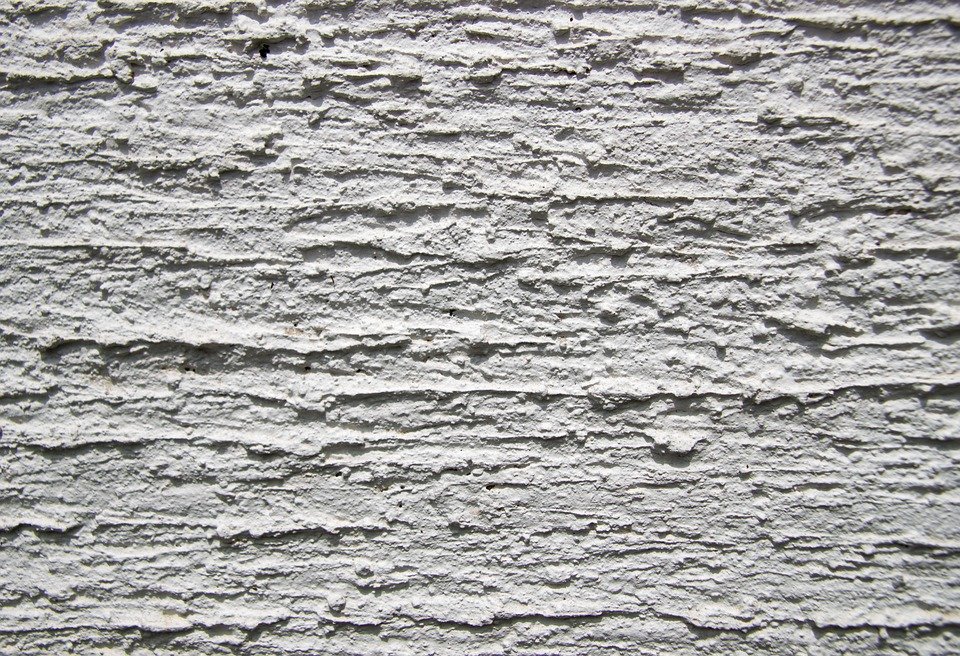
Textured walls add depth and character to any room. They can be focal points in their own right and are frequently an artistic expression that engages both the sight and touch senses. They capture light and shadows, making them visually appealing.

Wallpaper

Wallpapers are an excellent choice for a cost-effective yet fashionable wall finish. They are available in a variety of prints, patterns, and styles that can be incorporated into any style of home interior design and complement the overall aesthetics of your space.

Also, learn more about the various types of wallpapers.

Painting 3D Walls

3D wall paintings add a creative touch to plain walls. 3D paintings not only fill the space on the wall but also stylize it with visually appealing designs. You also have the option of having a design that tells your story, a family portrait, or a special moment painted on your walls.

Cladding

Cladding is one of the most popular and widely used wall finishes. If you choose this type of wall finish, you will have a variety of stones to choose from. Granite, marble, glazed tiles, and vitrified tiles are a few examples. The type of stone or tile you use in your home is determined by the room in which it will be used. They are widely available in a wide range of patterns and colors.

Wall Mirror Finish

If you have limited space, designing one wall with mirrors is a good idea. Mirrors make a room appear larger than it is. It also makes spaces appear both bright and luxurious. There are many different types of glass to choose from, including frosted, translucent, patterned glass, tinted glass, reflective glass, satin glass (also known as privacy glass), and others.

A flawless wall finish can improve the aesthetics of your home and give it a million-dollar appearance. All you have to do is choose the type of wall finish that best suits your taste, budget, and needs.

Design a site like this with WordPress.com
Get started